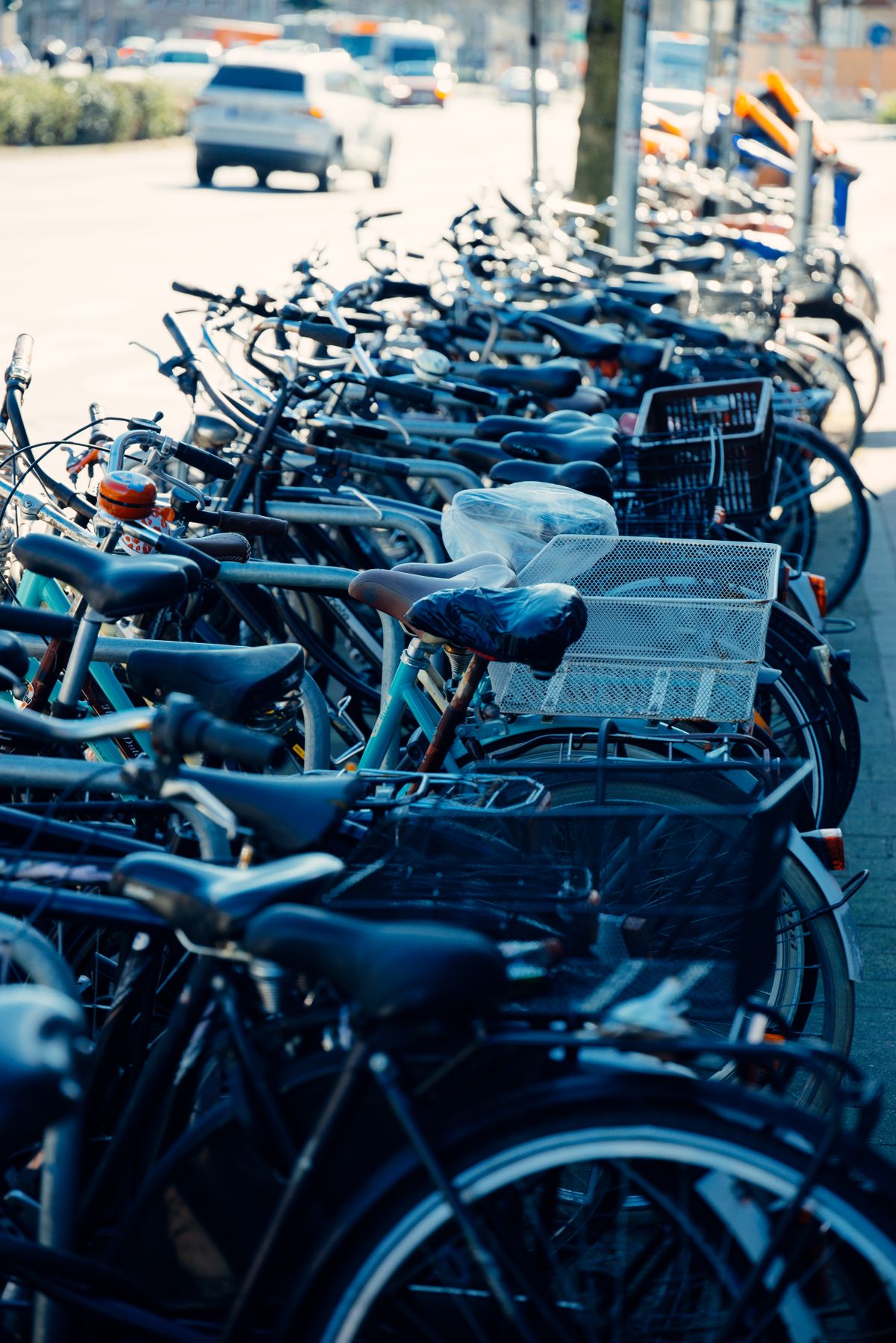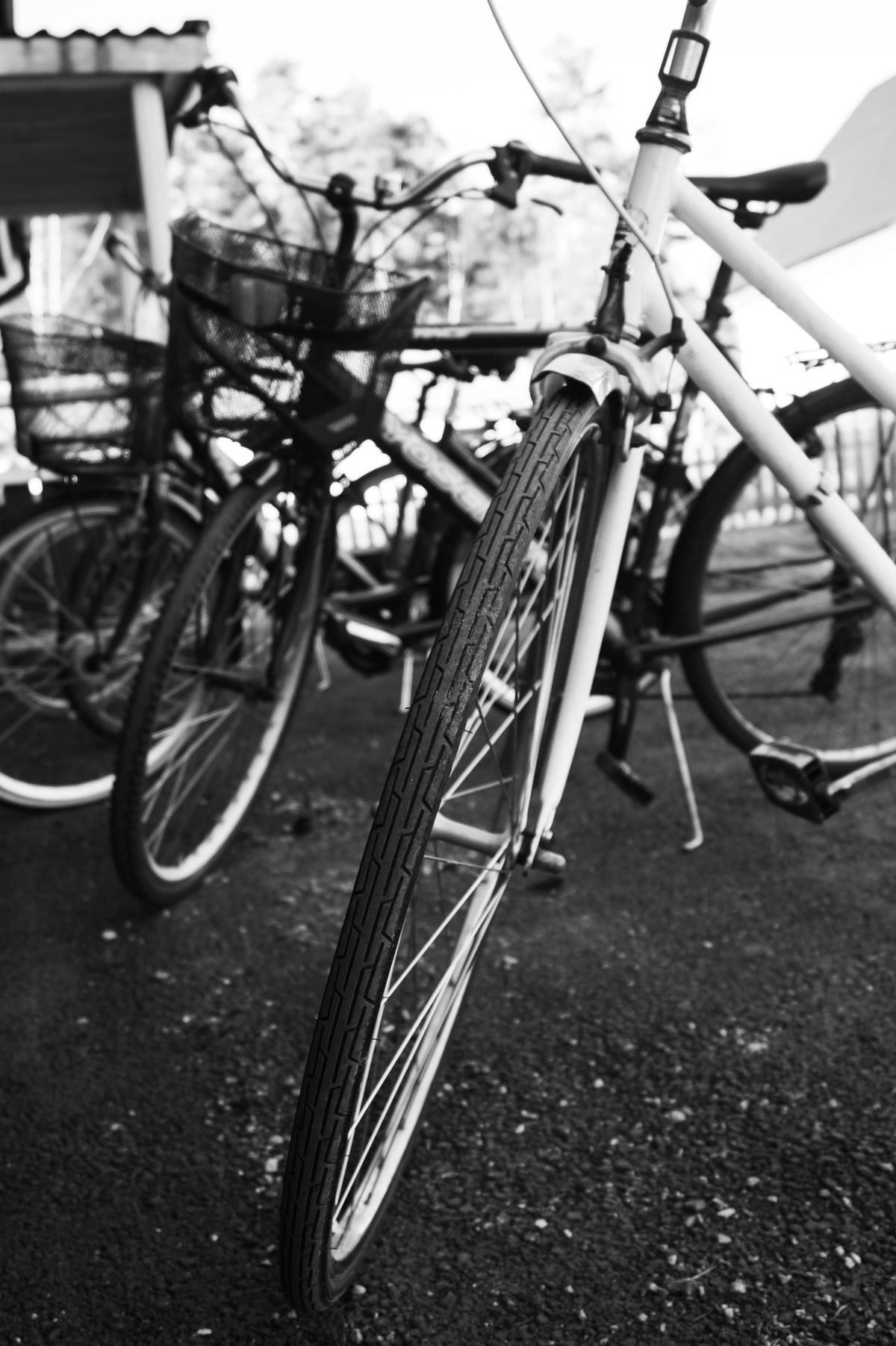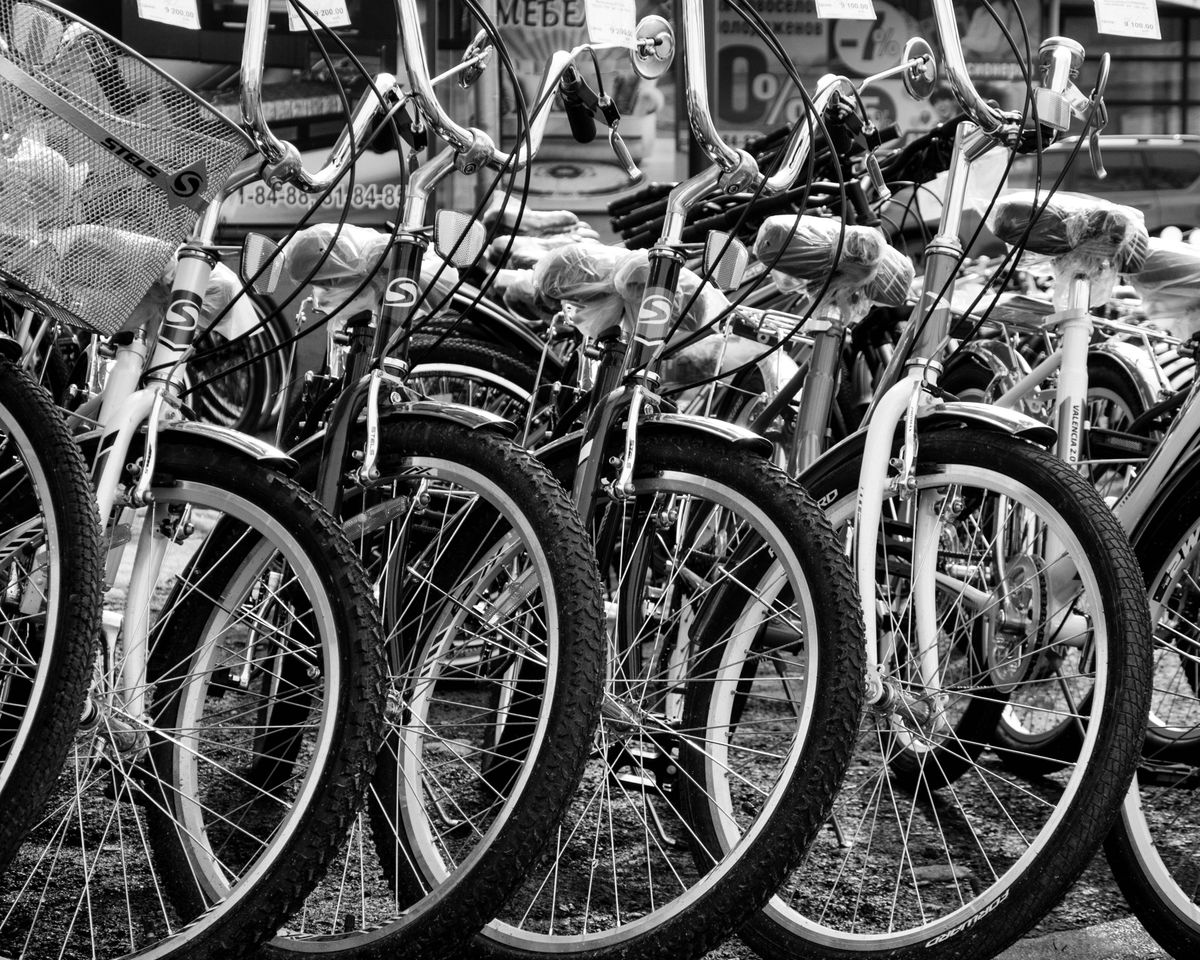
Rows of city bicycles

Bike Knowledge

Every bike is built for a job. Know which one matches yours.

Geometry, tyres, gearing and riding position are not marketing words – they decide how a bicycle feels on German roads, forest trails and river paths.

01 · Geometry

Frame angles set comfort, speed and control.

02 · Tyres

Width and tread decide where you can ride.

03 · Gearing

Close steps for speed – wide range for climbs.

04 · Position

Upright for the city – stretched for the race.

Road cyclists

Speed on asphalt

Road bikes

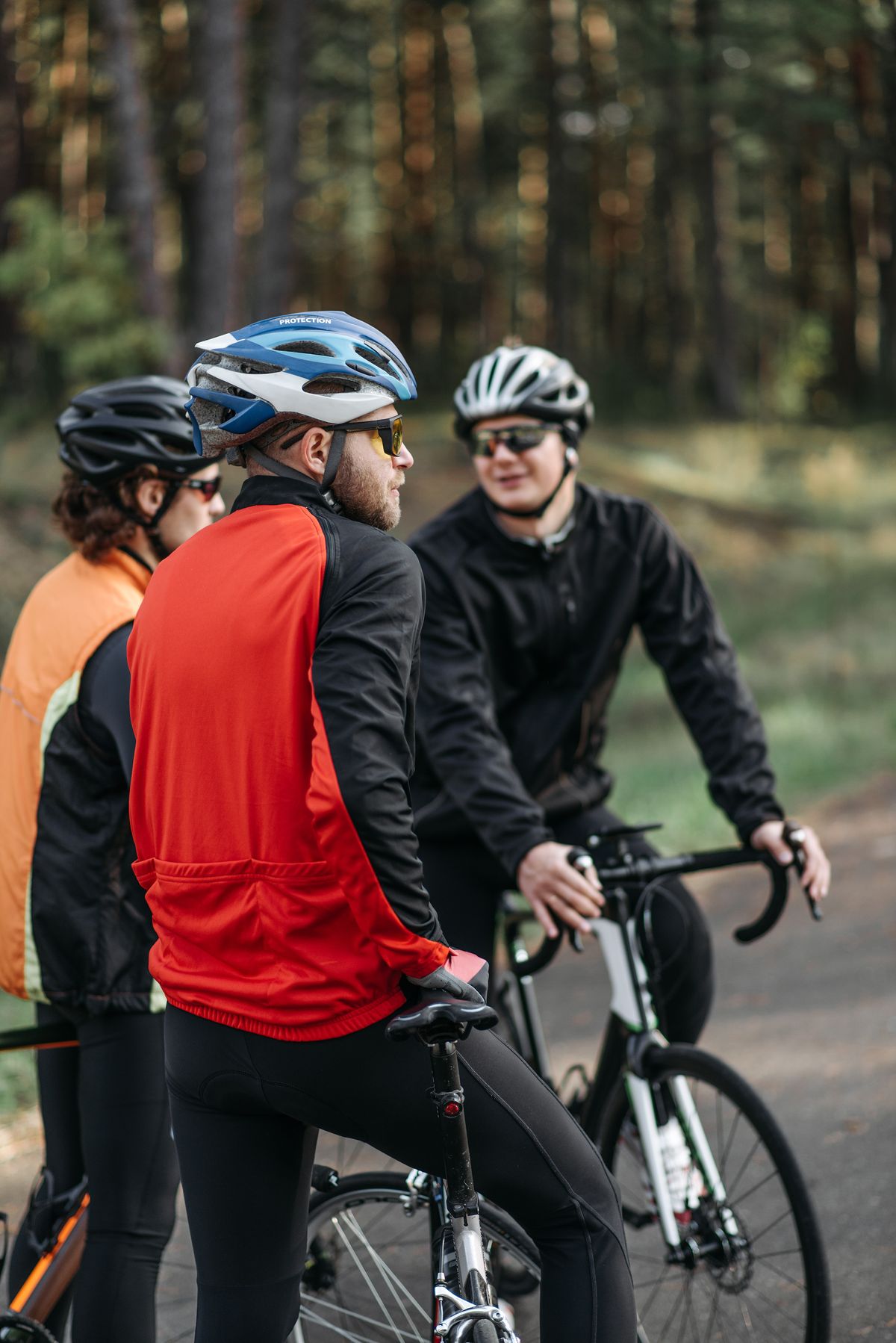
Drop bars, narrow tyres and a stretched position turn every watt into forward motion. Above 25 km/h, aerodynamics matter more than anything else – which is why road bikes look the way they do.

  • Weight typically 7–10 kg
  • Best on smooth paved roads
  • Ideal for fitness, racing and long days out
Full road bike guide

Control off-road

Mountain bikes

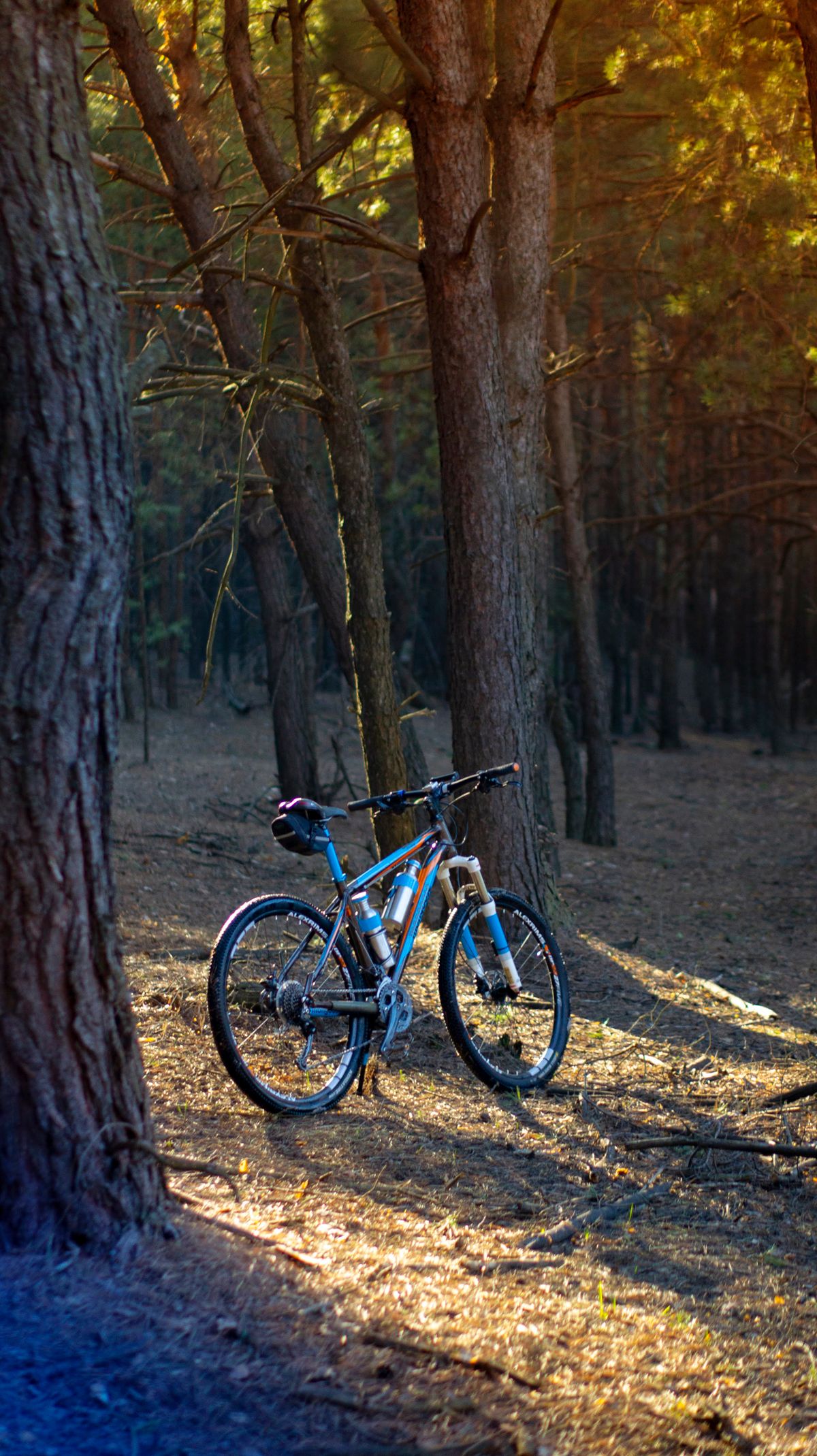
Suspension, knobby tyres and powerful disc brakes keep you in control where asphalt ends. From Harz singletrack to Alpine descents, the MTB is built for grip and toughness.

  • Hardtail or full suspension
  • Travel from 100 mm (XC) to 200 mm (DH)
  • Wheel sizes: mostly 29″ today
Full mountain bike guide
Mountain bike in forest
City bicycles

Everyday Germany

City & touring bikes

The German Stadtrad and Trekkingrad come fully equipped: mudguards, rack, dynamo lights, chain guard. Comfort first, maintenance low – the bikes that carry a nation to work and on holiday.

  • Upright position, hub gears common
  • StVZO equipment included
  • Touring bikes add luggage capacity for weeks away
City & touring guide

The electric boom

E-bikes & pedelecs

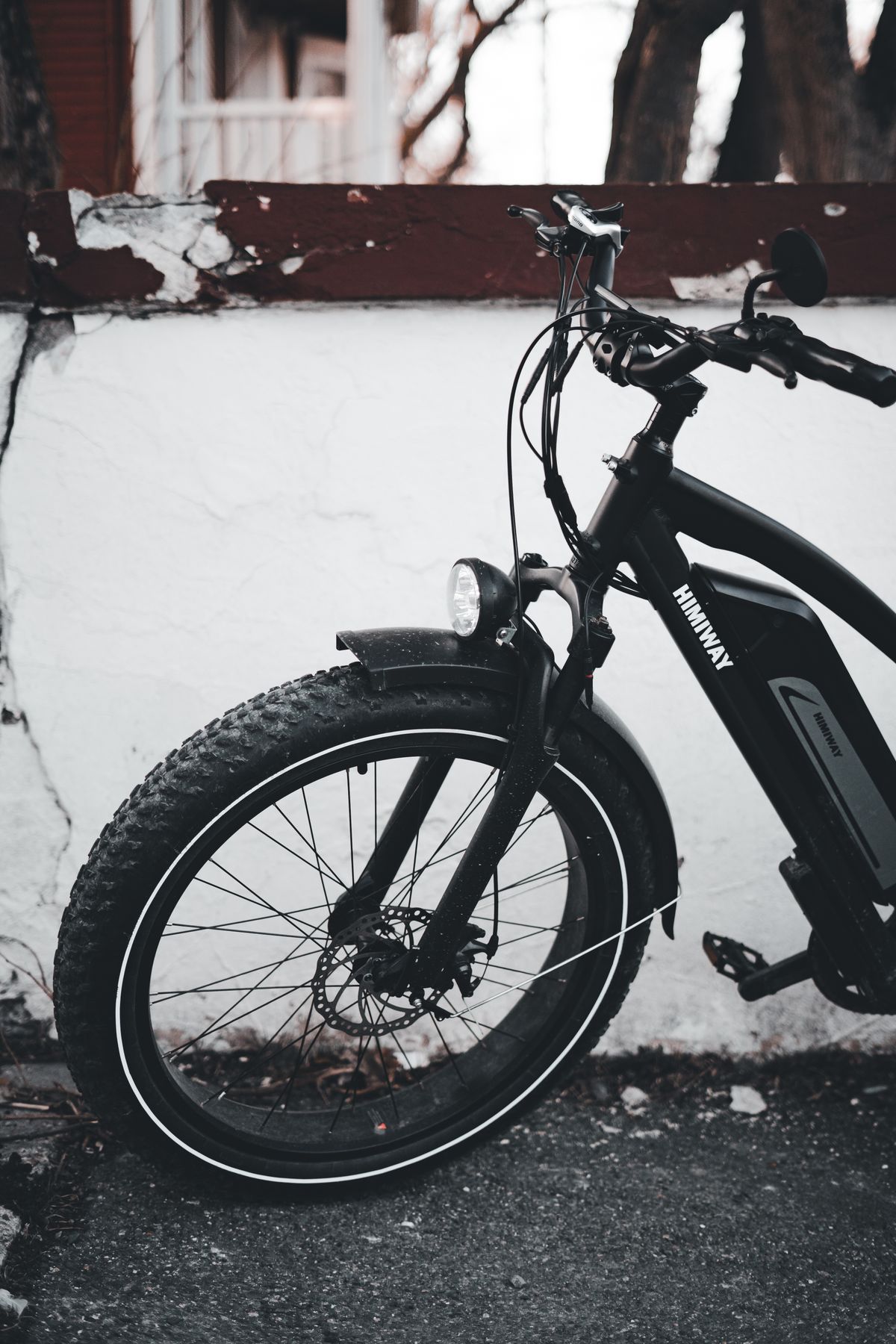
Roughly every second new bike sold in Germany has a motor. Pedelecs assist to 25 km/h and count as normal bicycles – flattening hills and keeping more people cycling longer.

  • Pedelec (25 km/h) vs S-Pedelec (45 km/h)
  • Mid-drive motors dominate quality bikes
  • Real-world range often 50–120 km
Full e-bike guide
Electric bicycle

Side-by-side comparison

A quick reference when you are choosing between categories.

Type Best for Weight Position Terrain
RoadSpeed, fitness, racing7–10 kgLow, stretchedSmooth asphalt
MountainTrails, off-road12–16 kgUpright, activeDirt, rocks, roots
CityCommuting, errands14–18 kgFully uprightUrban streets
TouringLong travel with luggage13–16 kgModerateRoads & gravel
GravelMixed surfaces9–11 kgModerate-lowAsphalt & gravel
E-bike / PedelecAssisted everyday & touring20–28 kgVariesDepends on base type
Bicycle journey

How to choose in three questions

01

Where will you ride 80% of the time?

City streets → city or e-city bike. Forest paths → MTB or gravel. Smooth roads and fitness → road bike.

02

How upright do you want to sit?

A bike you enjoy is a bike you ride. Beginners usually prefer a more upright position than race geometry offers.

03

Do hills or distance hold you back?

A pedelec removes those barriers without turning you into a motorcyclist – as long as you stay within 25 km/h assistance.