
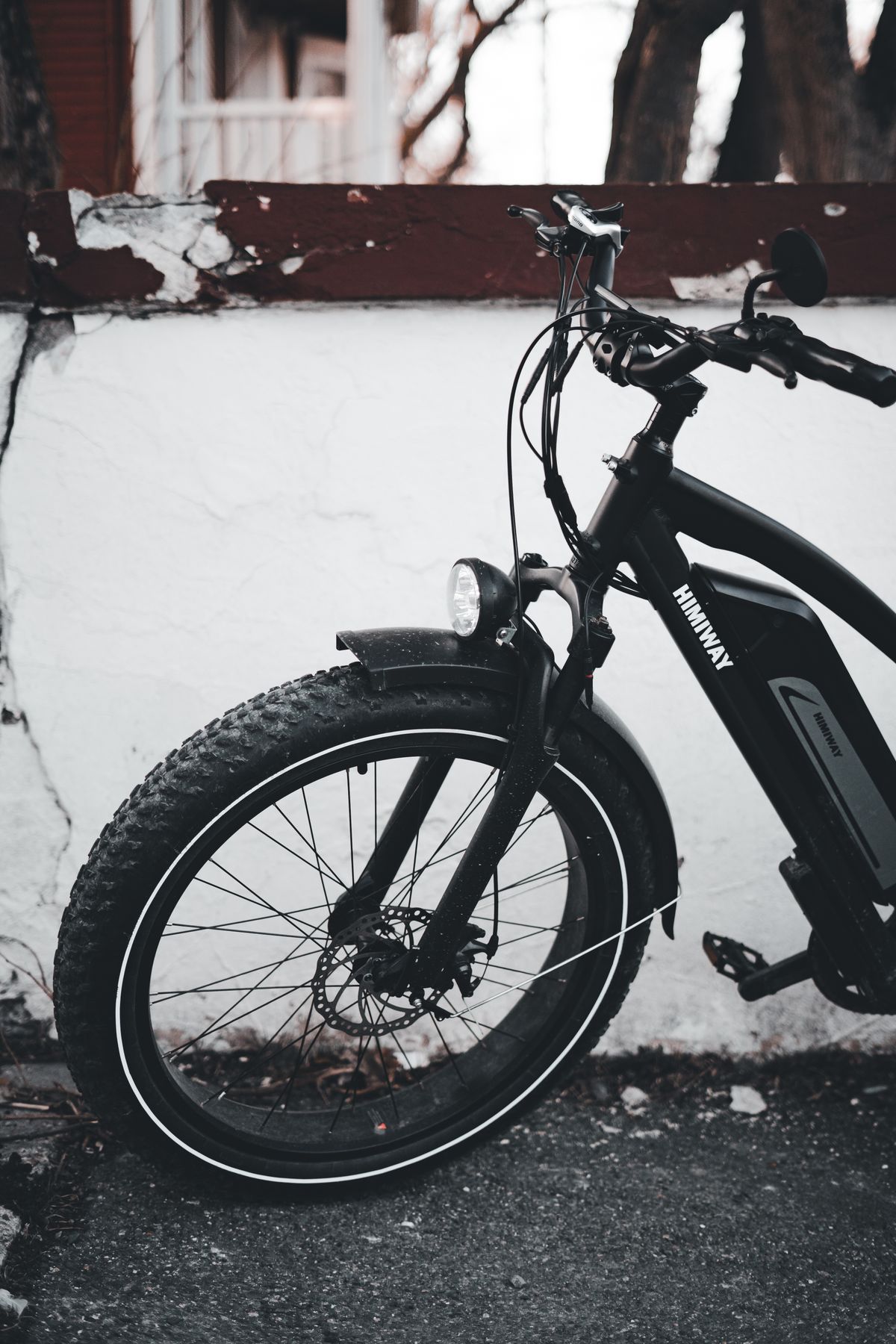
Pedelec, S-Pedelec or E-Bike? The Legal Difference
In everyday German speech, everything with a motor is called an "E-Bike". Legally, there are three distinct categories – and the difference matters for insurance, helmets and where you may ride:
Pedelec (assistance up to 25 km/h)
The motor helps only while you pedal and switches off at 25 km/h. Legally a normal bicycle: no licence, no insurance plate, no minimum age, cycle paths allowed. Over 95% of electric bikes sold in Germany are pedelecs.
S-Pedelec (assistance up to 45 km/h)
Counts as a moped: insurance plate, driving licence class AM, helmet obligatory, cycle paths forbidden. A niche for fast commuters.
E-Bike in the strict sense (throttle-driven)
Drives without pedalling, like an electric scooter. Also requires insurance and is rarely seen in practice.
This page uses "e-bike" in the everyday sense, meaning the pedelec.
How the Technology Works
Mid-Drive Motors
Mounted at the crank, the standard for quality e-bikes. The low, central weight keeps handling natural, and the motor benefits from the bike's gears. German and European systems (Bosch, Brose, Shimano) dominate this market.
Hub Motors
Built into the front or rear wheel. Simpler and cheaper; common on budget city e-bikes. Rear hub motors give a "pushed" feeling, front hubs can affect steering on loose ground.
Batteries & Range
Modern batteries hold 400–800 watt-hours. Realistic range is 50–120 km depending on assistance level, terrain, rider weight and wind. Batteries last roughly 500–1,000 full charge cycles before capacity drops noticeably.
Sensors & Assistance
Torque sensors measure how hard you pedal and scale the motor's help accordingly – the harder you push, the more it helps. This produces the natural "tailwind" feeling that makes pedelecs so pleasant.
An E-Version of Every Bike
Electric assistance has spread across all categories. E-city and e-trekking bikes dominate commuting. E-mountain bikes are now the majority of new MTB sales in Germany, opening alpine climbs to more riders. E-cargo bikes replace second cars for many urban families – Germany is Europe's biggest cargo bike market. Even lightweight e-road bikes exist with barely visible motors.
The demographic effect is striking: pedelecs keep older riders cycling for decades longer, and they convert car commuters who would never accept arriving sweaty at the office.
Why Germany Leads the E-Bike Boom
Several factors converge: an ageing but active population, dense cycling infrastructure, high environmental awareness, strong domestic motor manufacturers and employer bike-leasing schemes ("Dienstrad-Leasing") that make premium e-bikes affordable through salary conversion.
Industry figures show well over two million e-bikes sold in Germany per year – making it the largest e-bike market in Europe. This boom finances innovation that benefits all cyclists, from better brakes to anti-lock braking systems (ABS) for bicycles.
Is an E-Bike Right for You?
Choose an e-bike if you…
- commute more than 10 km or face hills
- carry children or heavy loads
- want to keep up with a faster partner
- want to cycle despite fitness limits or age
A classic bike may suit better if you…
- ride primarily for exercise – see road bikes
- want minimal weight and maintenance
- have a small budget – good e-bikes start around €2,000
- ride short, flat distances – see city bikes