Track racing was the original spectacle
Organised sport dates to the 1880s. By 1900, Sechstagerennen in Berlin, Munich, Dortmund and Bremen mixed sport, music and society life. The Berlin Six Day Race (1909) still fills the velodrome.
Today Germany remains a track powerhouse – especially in team sprint and team pursuit, with Olympic and world titles and women’s pursuit world records.
1884
Founding year of the Bund Deutscher Radfahrer (BDR) – still the home of organised racing across road, track, MTB, BMX and more.
Milestones on the road
1997
Jan Ullrich wins the Tour de France
The first – and so far only – German overall Tour winner triggers a mass boom. Millions watch the Tour live on German television.
2000s
Sprint glory – then crisis
Erik Zabel collects a record six Tour green jerseys. Later doping scandals shatter public trust; German broadcasters pause Tour coverage.
2010s
The clean revival
Kittel and Greipel dominate sprints. Tony Martin becomes a four-time time-trial world champion. Degenkolb wins Paris–Roubaix and Milan–San Remo.
2018 – today
Deutschland Tour returns
The national stage race is reborn after a ten-year pause. Huge roadside crowds and a new generation of German contenders mark a healthier era.
1,400+
cycling clubs under the BDR
6×
Tour green jerseys for Erik Zabel
Open
Jedermannrennen & gran fondos for amateurs every summer
Where sport lives today
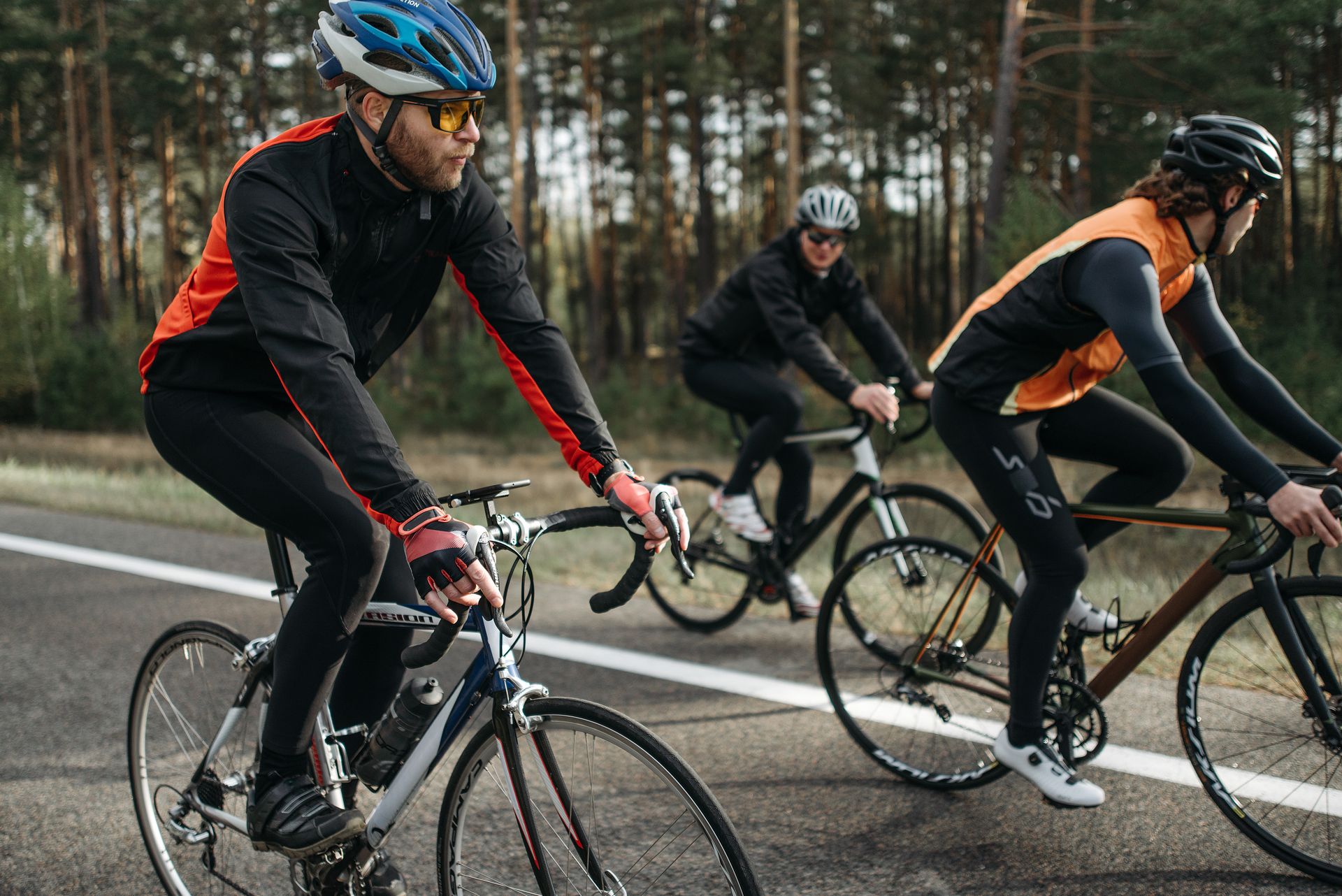
Road, track, mountain bike, BMX, cyclo-cross – and uniquely German indoor disciplines like artistic cycling and cycle-ball, where Germany is a world power.
Amateurs race closed roads at Jedermann events beside the Deutschland Tour and the Hamburg Cyclassics. Kids join a local Radsportverein and climb through regional championships.